

Exclusive: Cuba Is Prepared to Discuss Compensation to Americans Who Lost Property in the 1959 Revolution
Cuba is willing to put the “lump sum” compensation measure on the table in talks with the U.S., a Cuban official told Drop Site.


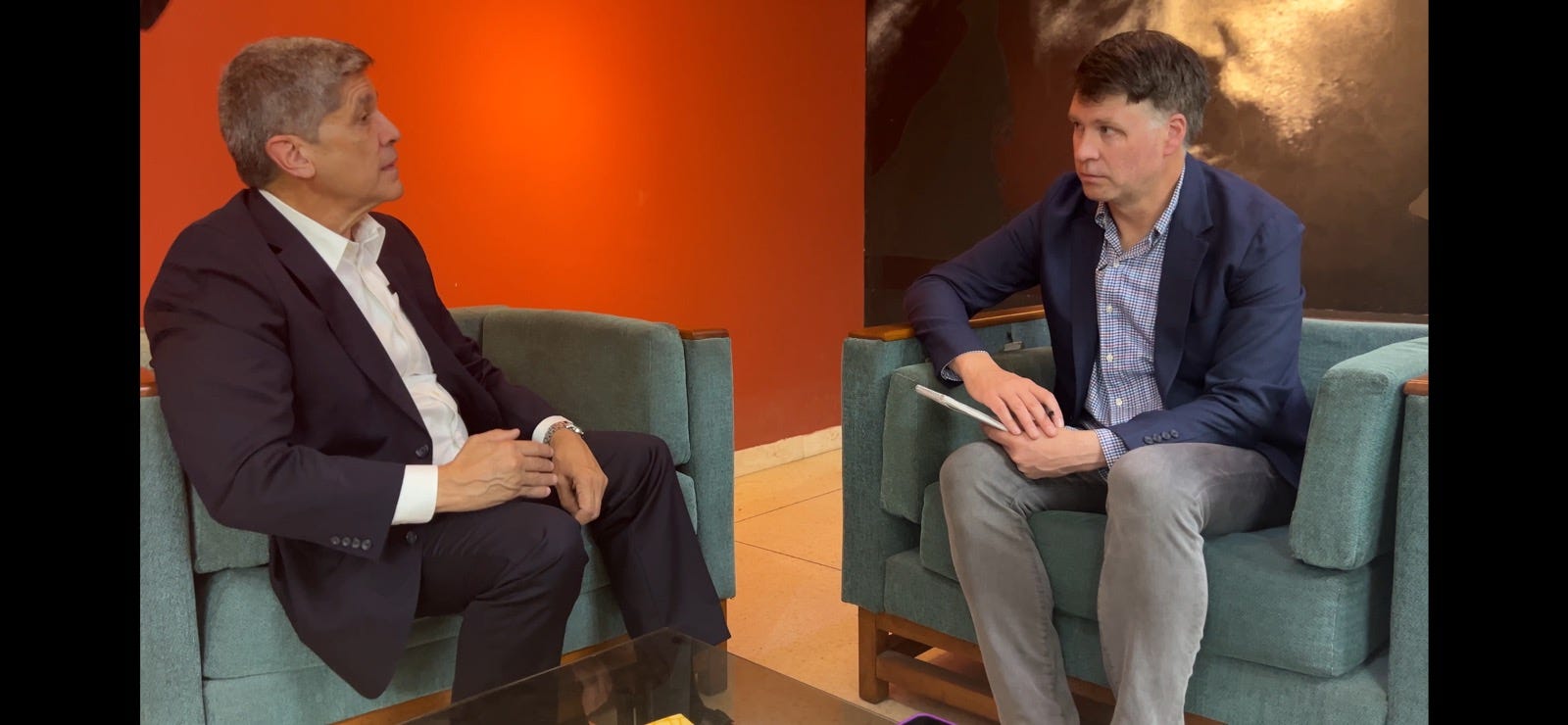
HAVANA, Cuba—The Cuban government is prepared to discuss offering “lump sum” compensation to Americans and American firms that saw property nationalized after the 1959 revolution, Deputy Foreign Minister Carlos Fernandez de Cossio told Drop Site News in an interview.
The “lump sum” agreement—meaning that Cuba would pay the U.S., which would then handle the claims—would need to be a part of a broader “holistic” deal that would address U.S. sanctions and the blockade and also allow for an amount of American investment in Cuba that previously had been forbidden, he said.
Cuban President Miguel Díaz-Canel revealed last week that his government was in direct talks with the United States. After the New York Times reported that the U.S. officials are pushing for the ouster of Díaz-Canel, Cuba rejected outright the possibility that the Cuban president’s role or the Communist-run political system is up for negotiation.
After the revolution, Cuba negotiated lump sum compensation agreements with countries such as Canada, Switzerland, the United Kingdom, Spain, and France, but the United States refused to participate, planning to overthrow Fidel Castro’s government instead.
“[Cuba made] lump sum agreements with the six governments whose property was nationalized in Cuba, all of them had compensation schemes, all of them were compensated with the exception of the U.S.,” said Cossio.
Had compensation been accepted by the United States in the 1960s, Fernandez de Cossio said, studies show the final payments would have been made by the 1980s. The Cuban government today lacks the reserves to make major compensation payments, but with the lifting of the embargo, economic growth could produce revenue that could finance such an arrangement.
Nearly 6,000 American individuals and businesses have filed claims for nationalized property, according to U.S. government data and industry estimates gathered by Bloomberg. With interest, the certified claims are now estimated to total approximately $9 billion.
Compensation, he added, should not just go one way.
“We’re ready to sit down with the United States and discuss these issues; but Cuba also has claims,” Cossio told Drop Site. “We believe the Cuban people and the Cuban nation requires, or deserves, to be compensated for the damage done by the economic blockade, by the invasion, by terrorism, by assassinations, by actions, violent actions against the economy.”
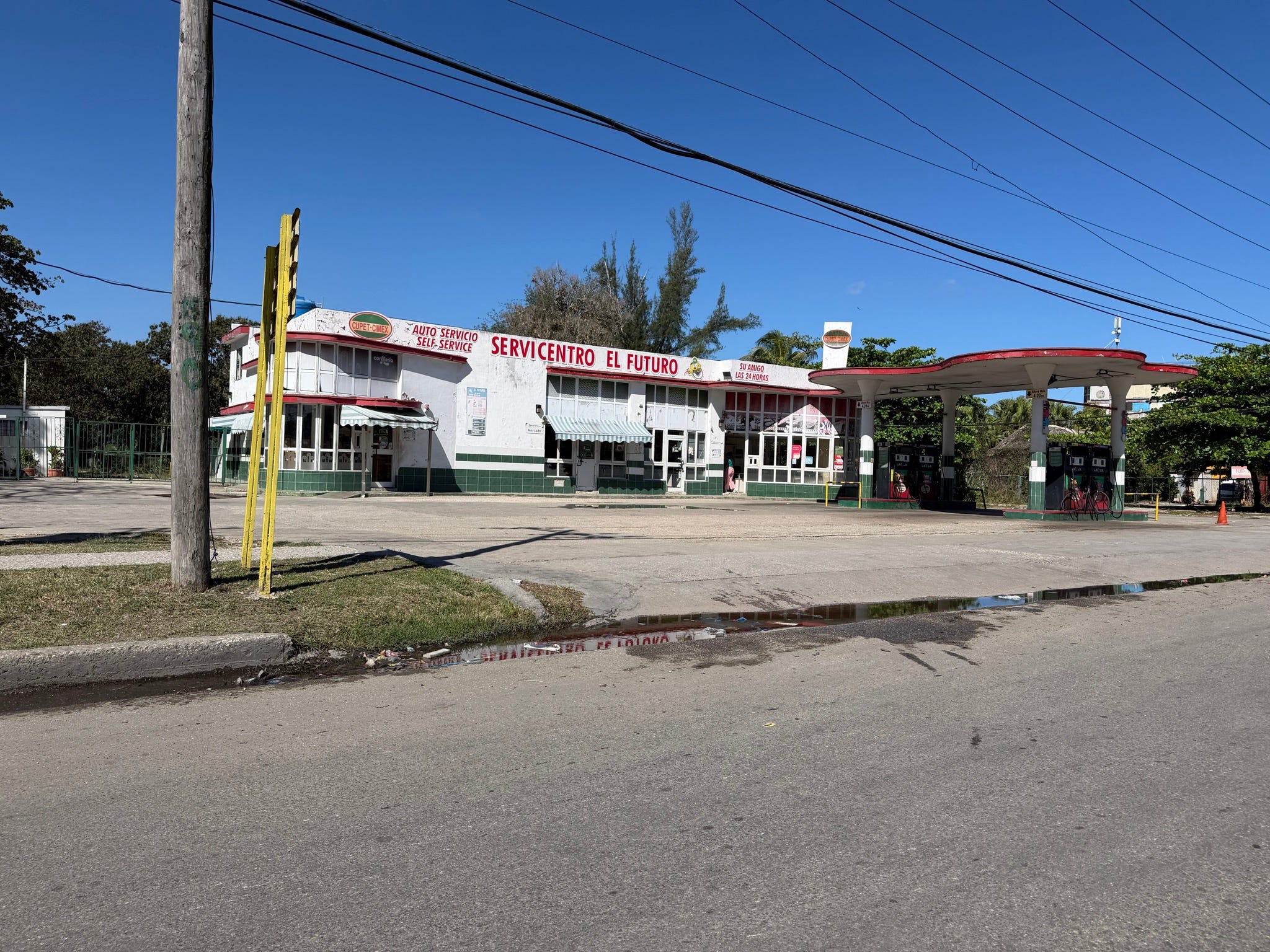
Cuban Vice Prime Minister Óscar Pérez-Oliva Fraga announced Monday a sweeping package of measures expanding the economic role of Cubans residing abroad that would allow them to own and invest in private business for the first time since the revolution, including the possibility of large-scale investments by foreign capital in key sectors of the economy, as well as the participation of Cubans residing abroad in the national financial system.
“We are not talking about specific businesses. The doors of our country are open to the participation of the Cuban community residing abroad,” Pérez told the Cuban news program Mesa Redonda in an interview.
Fernandez do Cossio said in his interview with Drop Site, that the scope of what is now being offered far exceeds what has been possible in the past. While it’s hard to imagine Costco or Starbucks on the island, he said that the freedom of political movement that would come from a lifting of the embargo would open up new possibilities in terms of economic and political reforms. Trump himself long ago registered the trademark for Trump Hotel Havana, according to Cuban government records, and a new agreement would pave the way for such a development.
Pérez, who also serves as minister of foreign trade and investment, said in his comments that Cuba was taking steps to reduce red tape for foreign investment and added that Cubans abroad would also be afforded the opportunity to invest in development projects and funds in Cuba.
The official said Cuba would welcome investment by U.S. firms but specified that it is U.S. law that does not permit this.
“It would take a very bold step by the U.S. government to overhaul that legislation and let American companies trade freely with Cuba and invest in our country,” said Pérez.
“The U.S. government, if it wants, can make exceptions so that whoever wants to invest specifically or in general would never go to court,” Cossio told Drop Site News.
Both Cossio and the Cuban deputy prime minister made reference to the Helms-Burton Act, a key piece of U.S. legislation that strengthened and codified the economic blockade against Cuba. This legislation allows U.S. citizens, including Cuban-Americans, to file lawsuits in U.S. federal courts against any company that “traffics” in property confiscated by the Cuban government after the 1959 revolution. Cuban-American judges in Miami have interpreted the law extremely liberally in a way that has staunched investment for fear of litigation.
By putting compensation on the table in talks with the U.S., Cuba is looking to assuage concerns from elements of the Cuban exile community who may seek to scuttle a potential deal by threatening lawsuits. Cuba’s olive branch to Cubans living abroad aligns with recent rhetoric from U.S. President Donald Trump, who has repeatedly talked about Cuban Americans who want to “return and assist” their homeland.
Any diplomatic agreement between the United States and Cuba is likely to face fierce opposition from hardline exile factions who prioritize regime change over all. Danny Valdes from Cuban Americans for Cuba, an upstart organization that was formed to challenge the hardline exile narrative, told Drop Site he expects this faction of the Cuban community to attempt to “sabotage” any diplomatic breakthrough.
“My experience with these folks is that their number one priority is revenge against the regime,” said Valdes, who grew up with his Cuban family in Miami, a hotbed of radical counterrevolutionary activity and the home of notable regime-change advocates in Trump’s orbit.
The organizer and activist, who travelled to Cuba as part of the “Nuestra America Convoy” to deliver humanitarian aid, said the current discussions that would allow for U.S. investment would nonetheless align with U.S. aims for the island country.
“I think it’s pretty obvious that the goal of the United States is to build a private sector that can also contest for political power down the road,” said Valdes.
Trump has talked about a “friendly takeover” of Cuba, while Francis Donovan, head of U.S. Southern Command, recently told lawmakers in a Senate hearing that the military was not actively planning an attempted invasion of Cuba. Valdes argues that given the quagmire the U.S. already finds itself in its aggression against Iran, the military option in Cuba seems less likely.
Cossio, for his part, says that despite Trump’s penchant for attacking countries in the midst of talks, the Cuban government sees “no alternative” to direct dialogue with the U.S. “We believe it’s the only way in which we can find solutions to the issues between Cuba and the United States; and we truly believe that they could be found, we don’t think that our two countries should live forever in hostility,” Cossio told Drop Site.
The State Department referred Drop Site to Secretary of State Marco Rubio’s remarks in the Oval Office. Rubio—a long-time advocate of regime change in Cuba—said the economic measures announced Monday were insufficient and suggested that what the country needed was “new people in charge.”
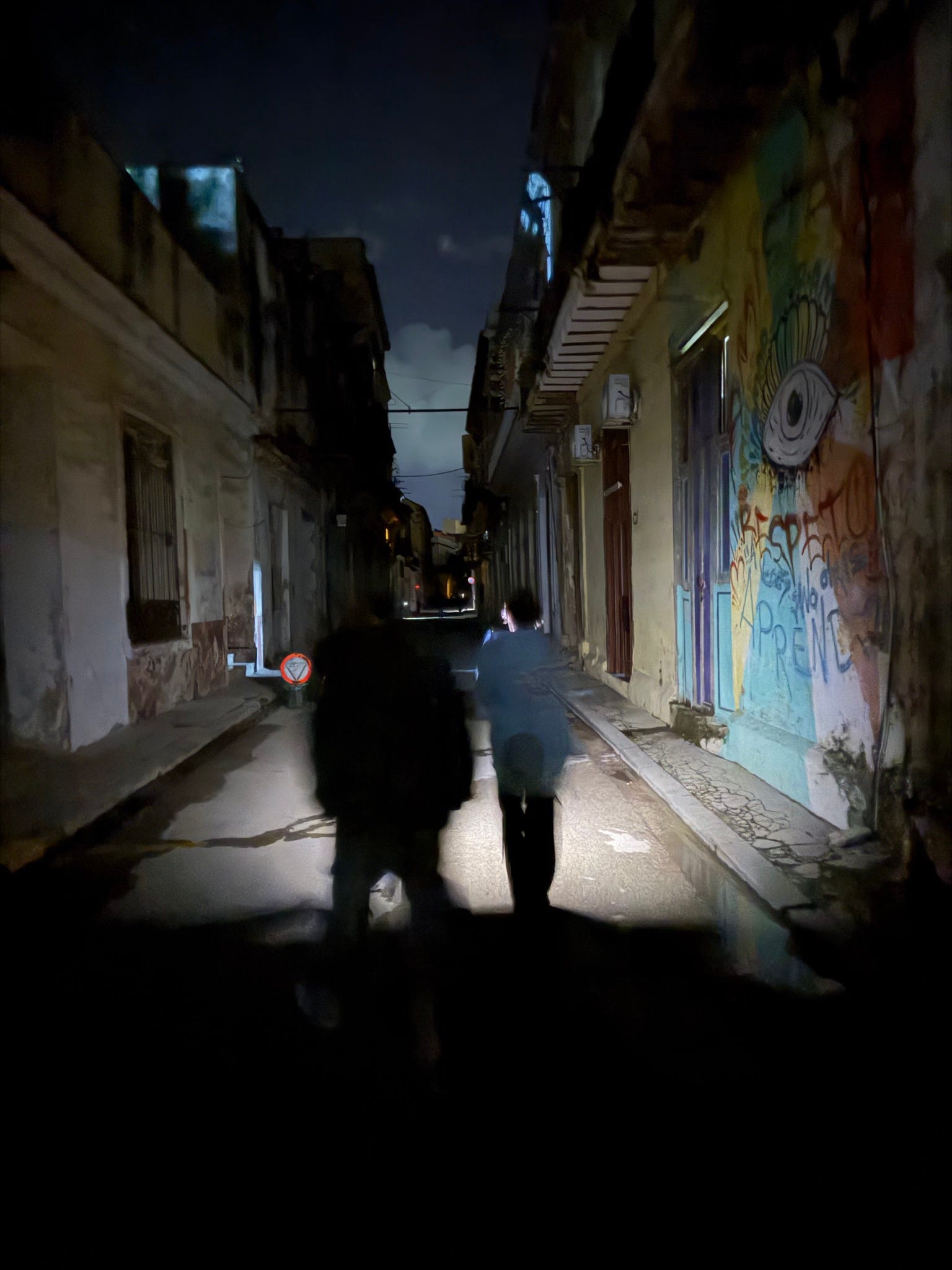
The U.S. has fully blocked oil from reaching the island for three months—both an act of war and a war crime—producing dire shortages. On Friday night, power went out throughout much of Havana, and on Saturday night, power went out again, this time across the entire nation. On Sunday, as power was being restored, Drop Site’s Ryan Grim visited William Soler Pediatric Hospital, and spoke with doctors, nurses, and the parents of children in intensive care about what it’s like to suffer a blackout in an ICU.
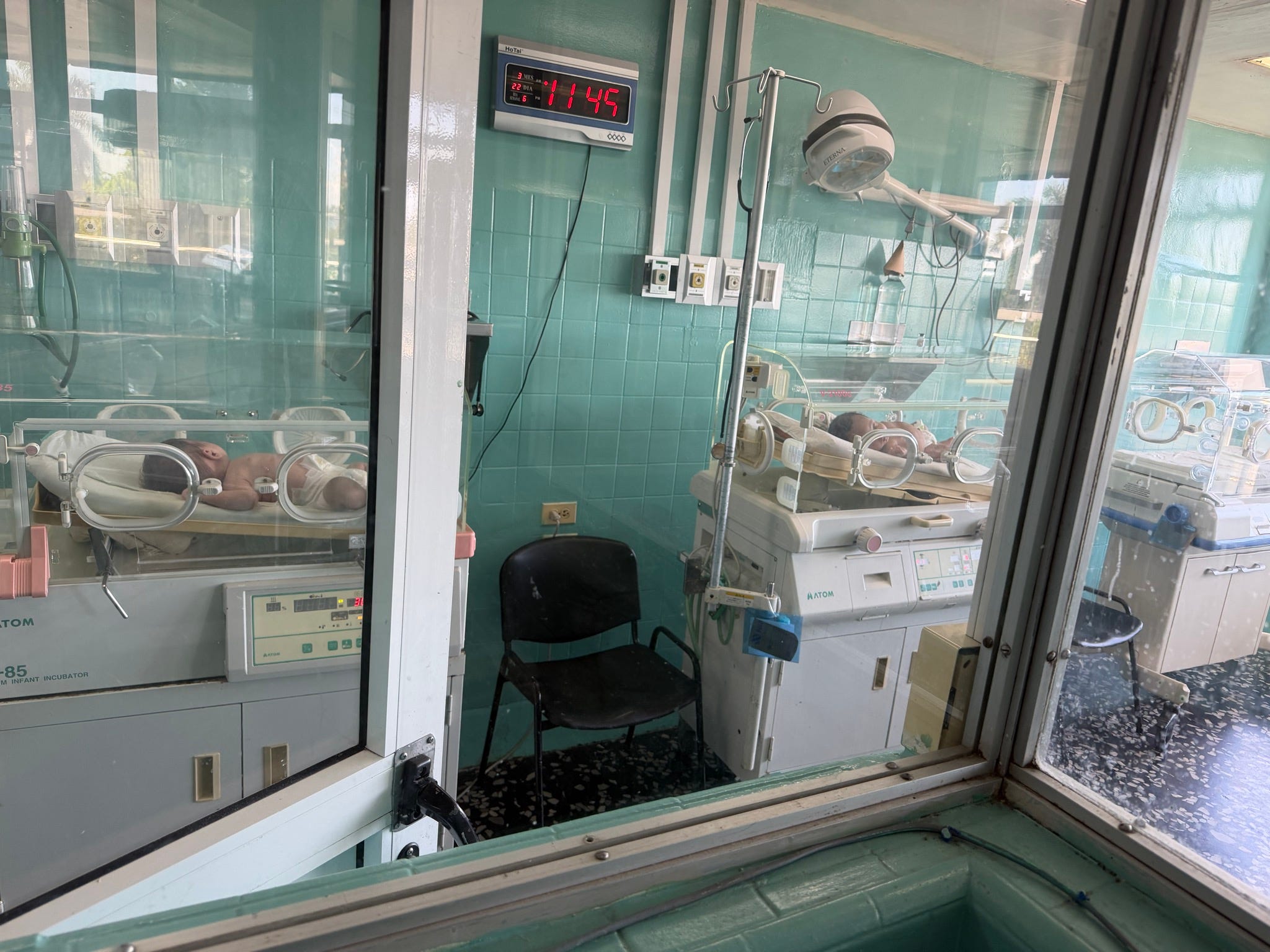
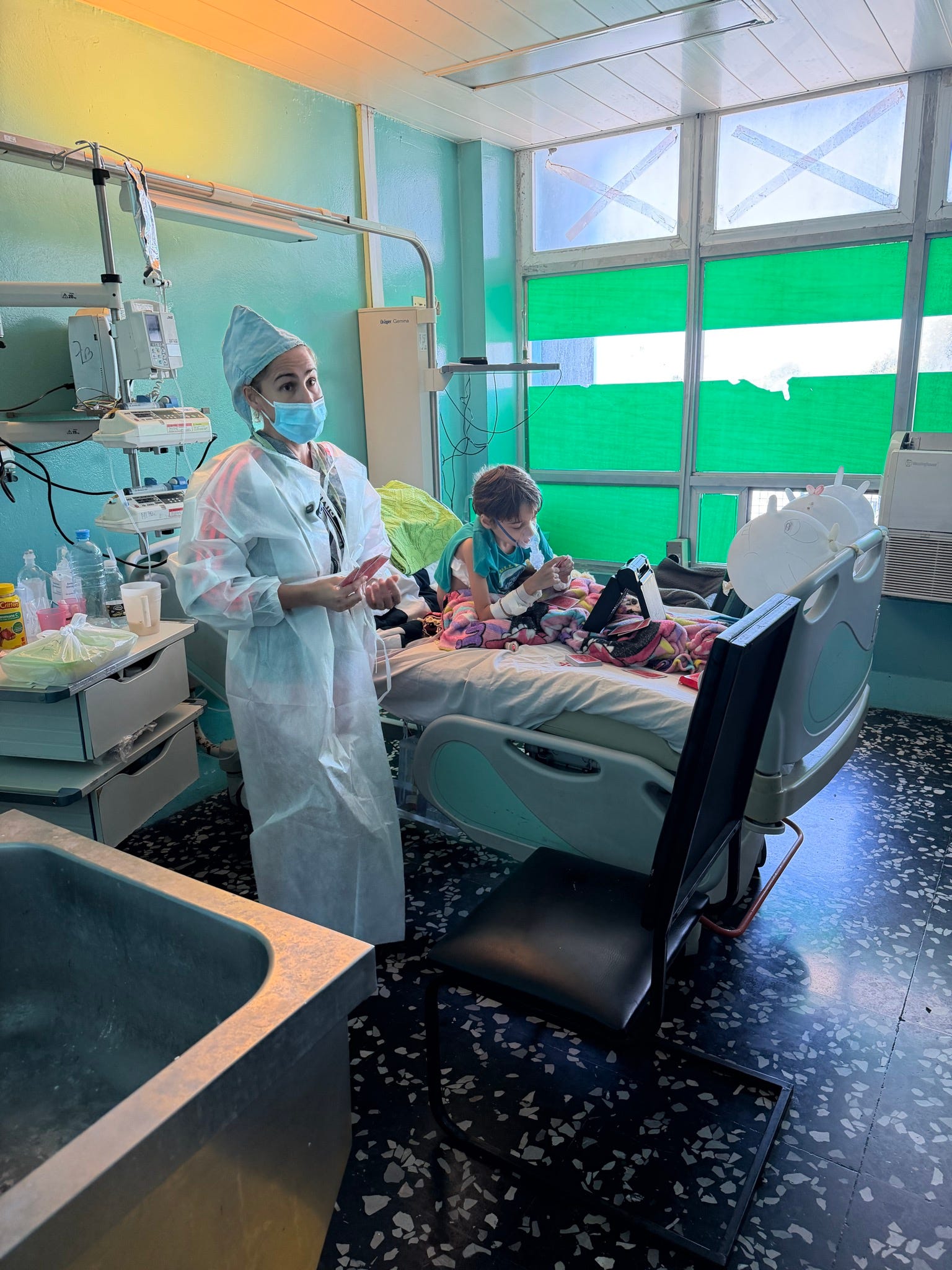
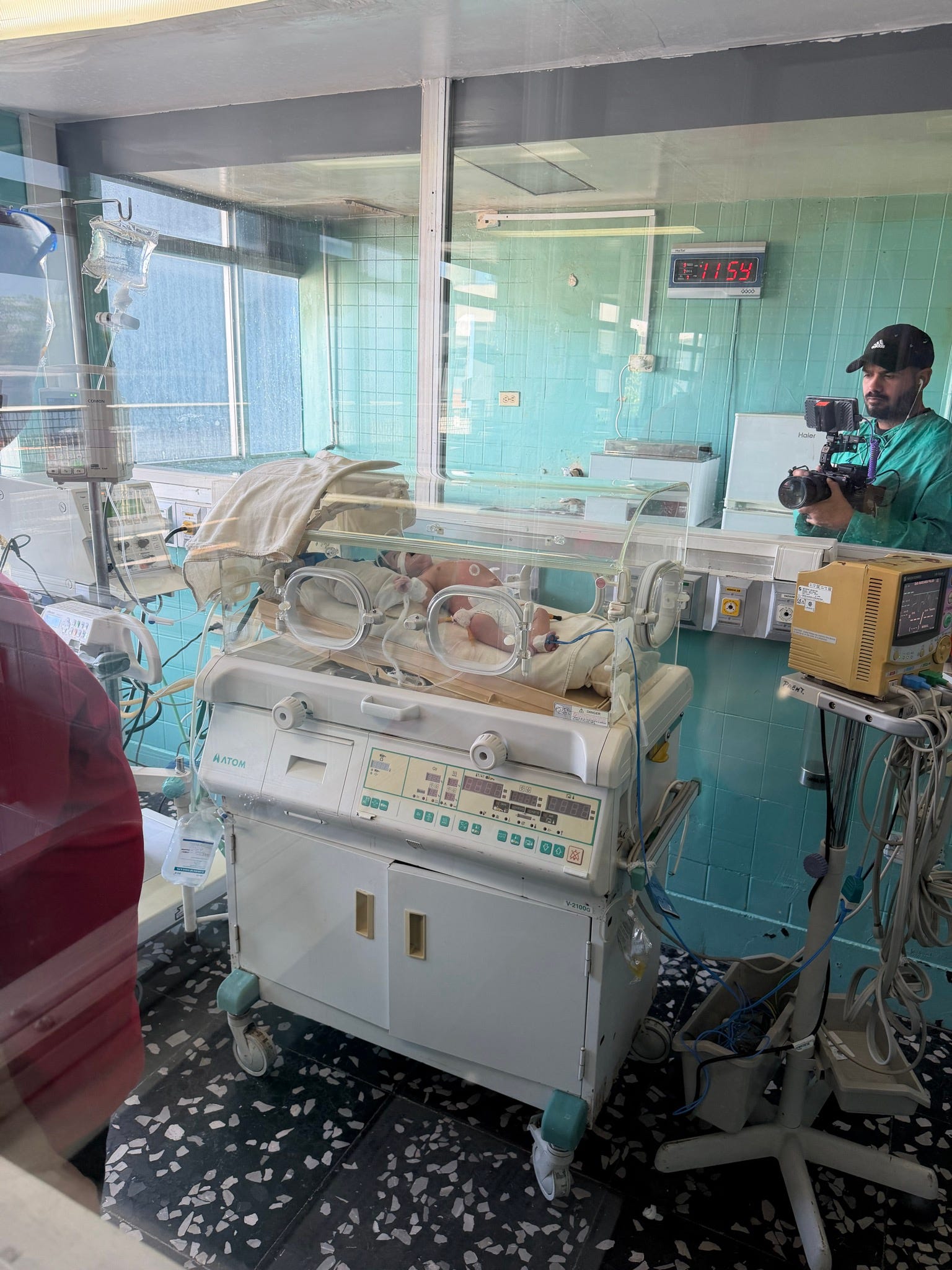
William Soler Pediatric Hospital. Photos: Ryan Grim
Hospitals by design are the last to lose power in Cuba, but with a nationwide blackout, even they go down. Each hospital has a generator, but there’s a dangerous lag between the power going out and the generator kicking in, and the nurses described racing to the babies and children on ventilators to hand pump the machine until the generator kicked in.
A nurse explains the ventilator in William Soler Pediatric Hospital’s ICU.
A special thanks to independent U.S. news organization Belly of the Beast, whose reporters based in Cuba helped us get access to hospitals and other facilities so we could get a better understanding of how the full-spectrum oil blockade is impacting the health system. (Sign up for their newsletter here and/or join their Patreon and send them a donation.) I’ll be back home tomorrow and will have more to say on what I saw here in the coming days, but for now I wanted to share the dispatch below.
Reporting like this isn’t cheap, but if it can help stave off a war on Cuba and bring the people of our two countries closer together, it’s worth it. If you can support it by becoming a paying subscriber, please do. Or if you’re already a subscriber, consider making a one-time or recurring contribution. Thanks as always for your support.
 | A guest post by
|
Cuba should offer compensation when the US offers compensation to its dispossessed indigenous people and all the countries it has bombed and throttled in the last 80 years.
With everything the US has done to the people of Cuba, the last thing we need is compensation. We need peace and an end to embargo.