

Syrian Government Gains Ground in Northeast Syria After Arab Tribes Defect Against Kurdish SDF
As the Syrian president signed a fragile ceasefire in Damascus, on the ground in Deir Ez-Zour and Raqqa, sporadic fighting continues between the SDF and government forces backed by tribal groups.

Drop Site is a reader-funded, independent news outlet. Without your support, we can’t operate. Please consider making a 501(c)(3) tax-deductible donation today.
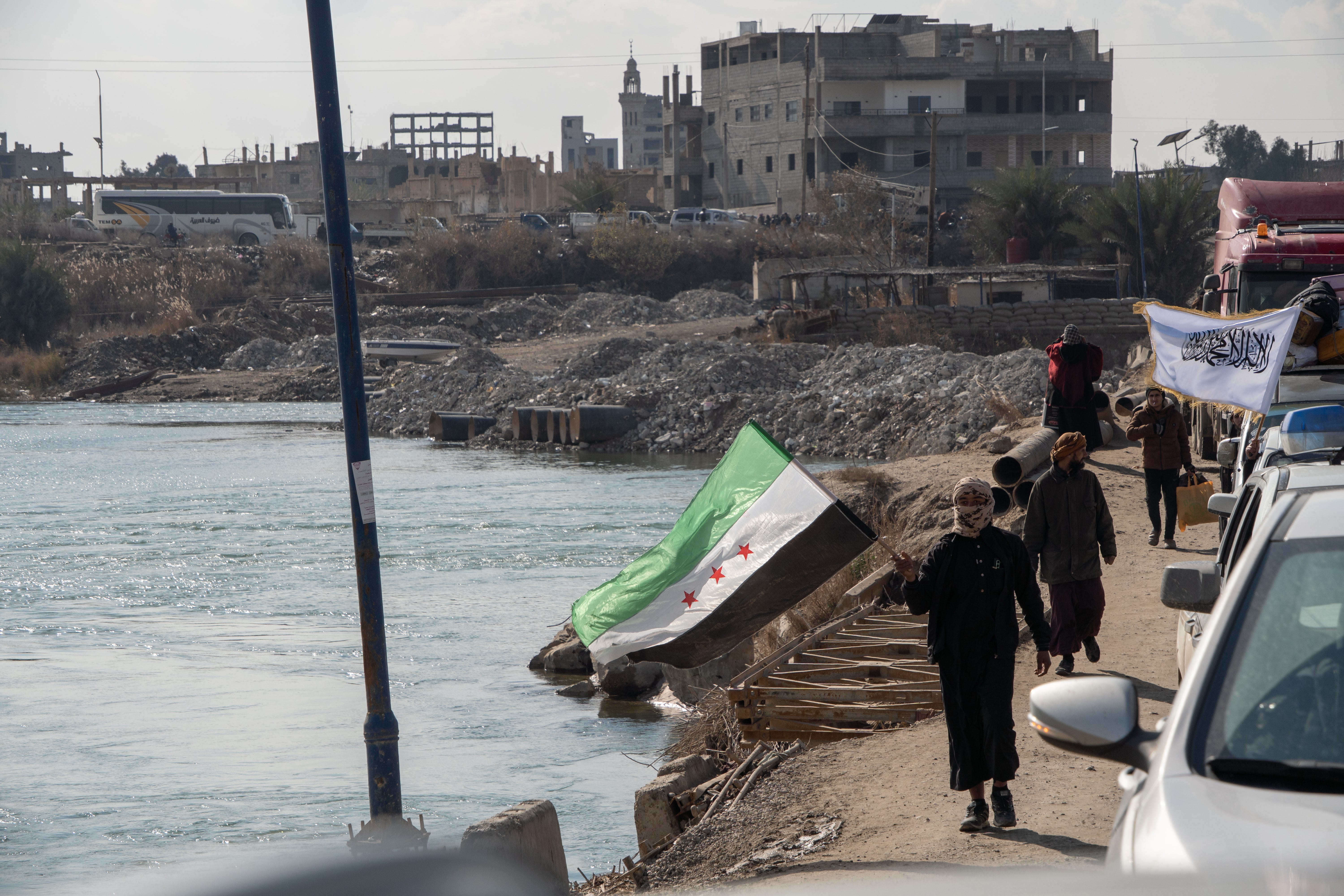
DEIR EZ-ZOUR, SYRIA—On Monday, in Deir Ez-Zour, Syria, huge amounts of military traffic clogged a rickety pontoon bridge, as Syrian government forces moved east across the Euphrates River. The river, which cuts the province of Deir Ez-Zour down the middle, has been the front line between Syrian government forces and Kurdish-majority Syrian Democratic Forces for months. The pontoon bridge was the last remaining crossing point for hundreds of miles; Syrian government forces were pushing forward into the newly captured territory, to deploy alongside their new tribal allies.
The months-long standoff between the SDF and the Damascus government turned in the government’s favor on Sunday when Arab tribes in the provinces of Raqqa and Deir Ez-Zour—who had for years been close allies of the SDF in its fight against ISIS—defected to the government and turned their guns on their former comrades. In response, the SDF rapidly withdrew from these largely Arab provinces and established their line of defense further north in the Kurdish heartlands of Qamishli, Kobani, and Hasake.
By Monday, it appeared that a deal had been reached between the two sides to end the killing and integrate the SDF fighters into the military on an “individual” basis. If put into effect, that deal would be a capitulation for the SDF, which had long demanded that its fighters integrate under the new Syrian Ministry of Defense as whole divisions, which would allow them some degree of autonomy from the government. In a stunning coup, Syria’s president, Ahmad Al-Sharaa, seemingly managed to unify Syria with a relatively small price in blood, and on his own terms.
On the far side of the river, large numbers of tribesmen were visible heading north toward Hasake. Osama, a young member of the local Ogaidat tribe, told Drop Site News that he, too, had been deployed to the fight there. For Osama, Sunday was a day as significant as the fall of Bashar Al-Assad’s regime. Many Arabs in SDF-territory accuse the SDF of systematic discrimination against the Arab population. Their long-held grievances include the forced conscription of Arab men, the redirection of oil-profits generated in Arab regions to Kurdish regions, and a belief that the SDF prioritizes the public services and wellbeing of their Kurdish populations at the expense of the Arab community.
“Thanks be to God, we are so joyful,” he said. “Our lives were deprived under the SDF, we used to live together with the Kurds until the SDF came.”
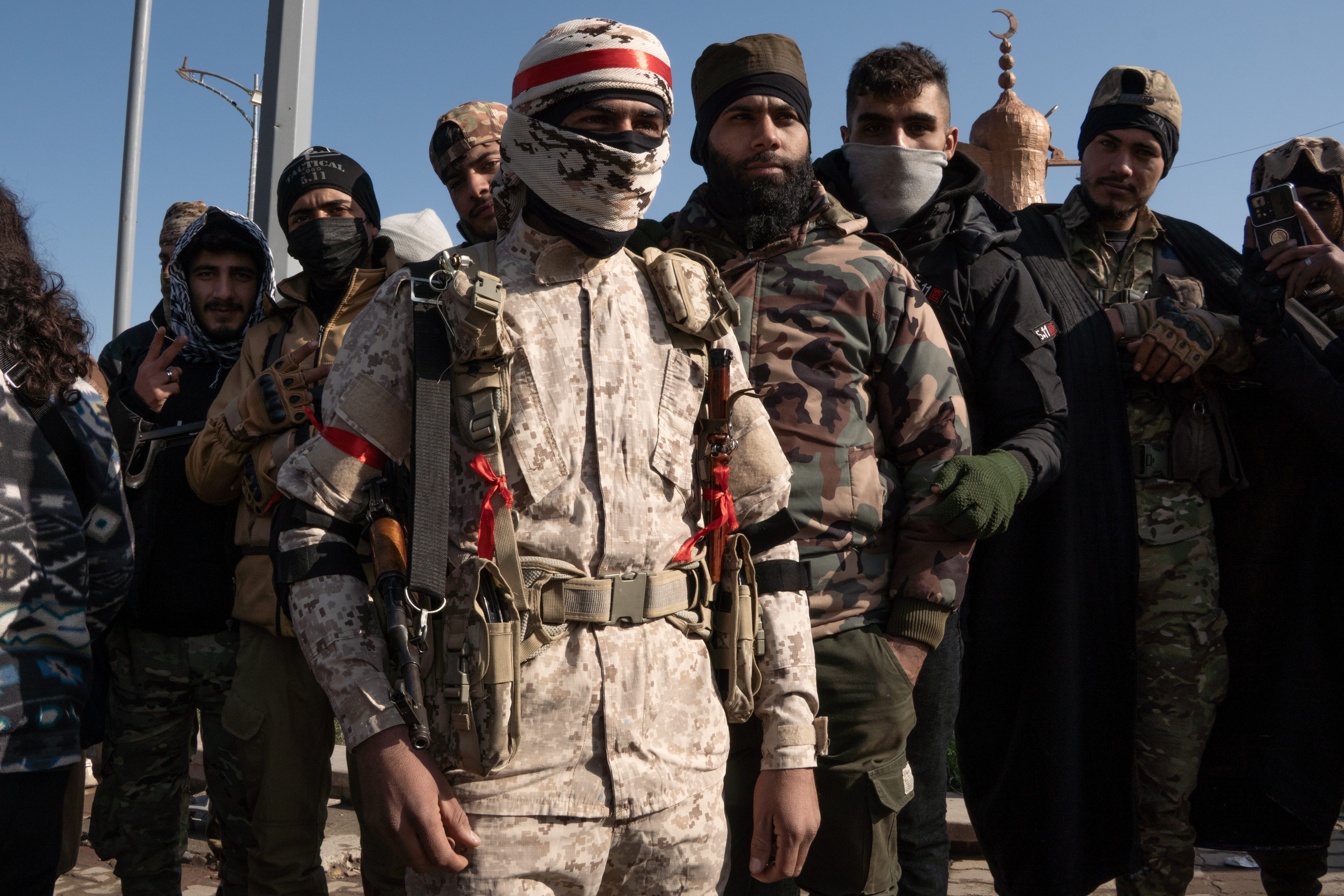
Osama stood at Deir Ez-Zour’s main roundabout clutching a kalashnikov and army knife, surrounded by dozens of armed men. They were waiting for orders from their sheikh to cross the river.
“This revolution is not over until we liberate Qamishli, Kobani and Hasake. After we have finished here, we will go to Sweida, Quneitra, and then the Golan,” he vowed.
In July 2024, Arab tribal elements battled Druze militias in Sweida, committing a number of massacres against them, which prompted Israel to launch a series of airstrikes it claimed was on behalf of the Druze. Since then, the region has been cut off from the country by Damascus, which limits exit and entry to the province. Quneitra and the Golan have been illegally occupied by Israel since 2024 and 1967 respectively.
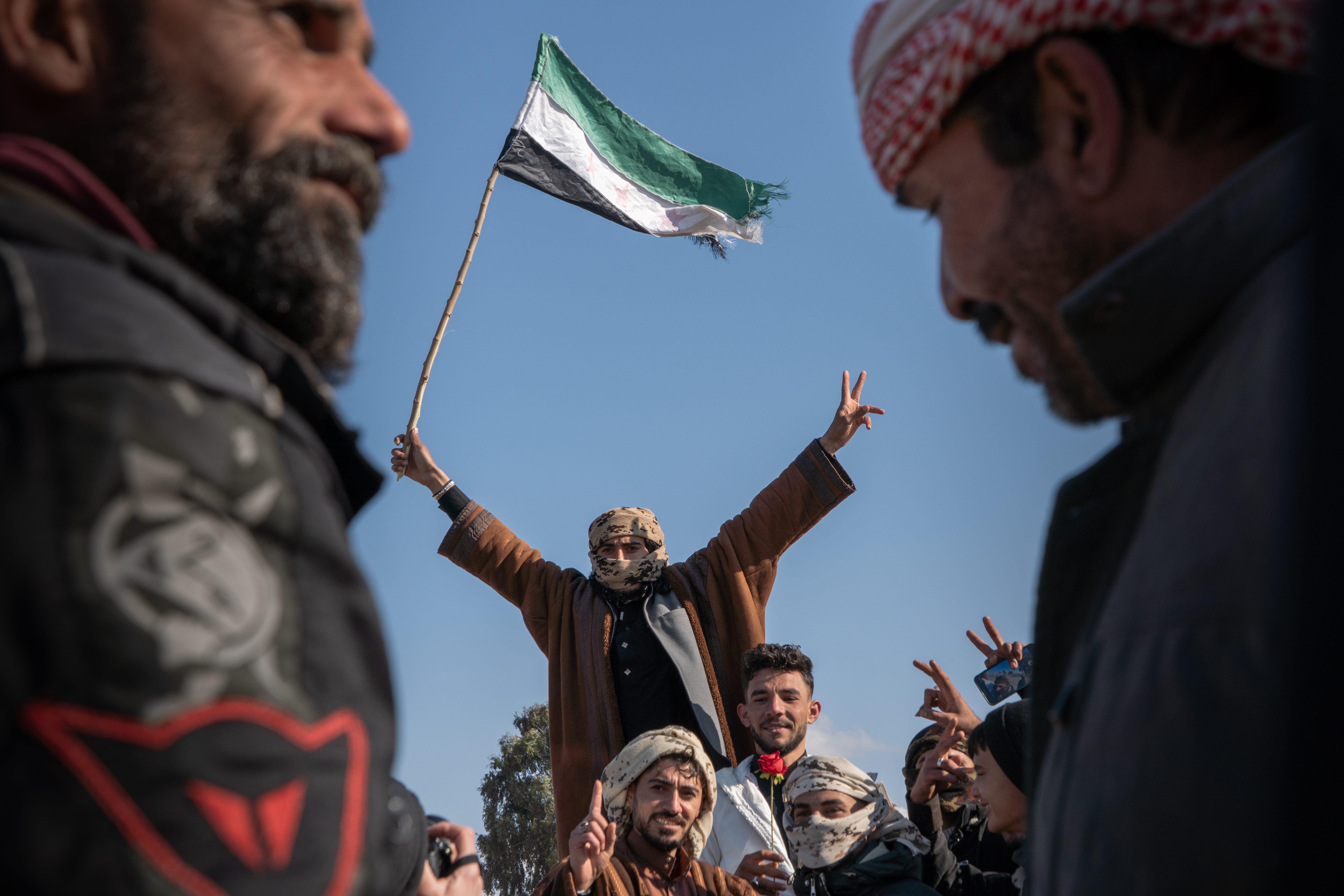
On Monday, while Al-Sharaa was signing a peace agreement in the presidential palace, unsubstantiated rumors circulated online of the massacre of hundreds of Arabs living in Hasake by the SDF, continued to inflame the situation and reportedly caused tribal groups to continue to attack without official sanction.
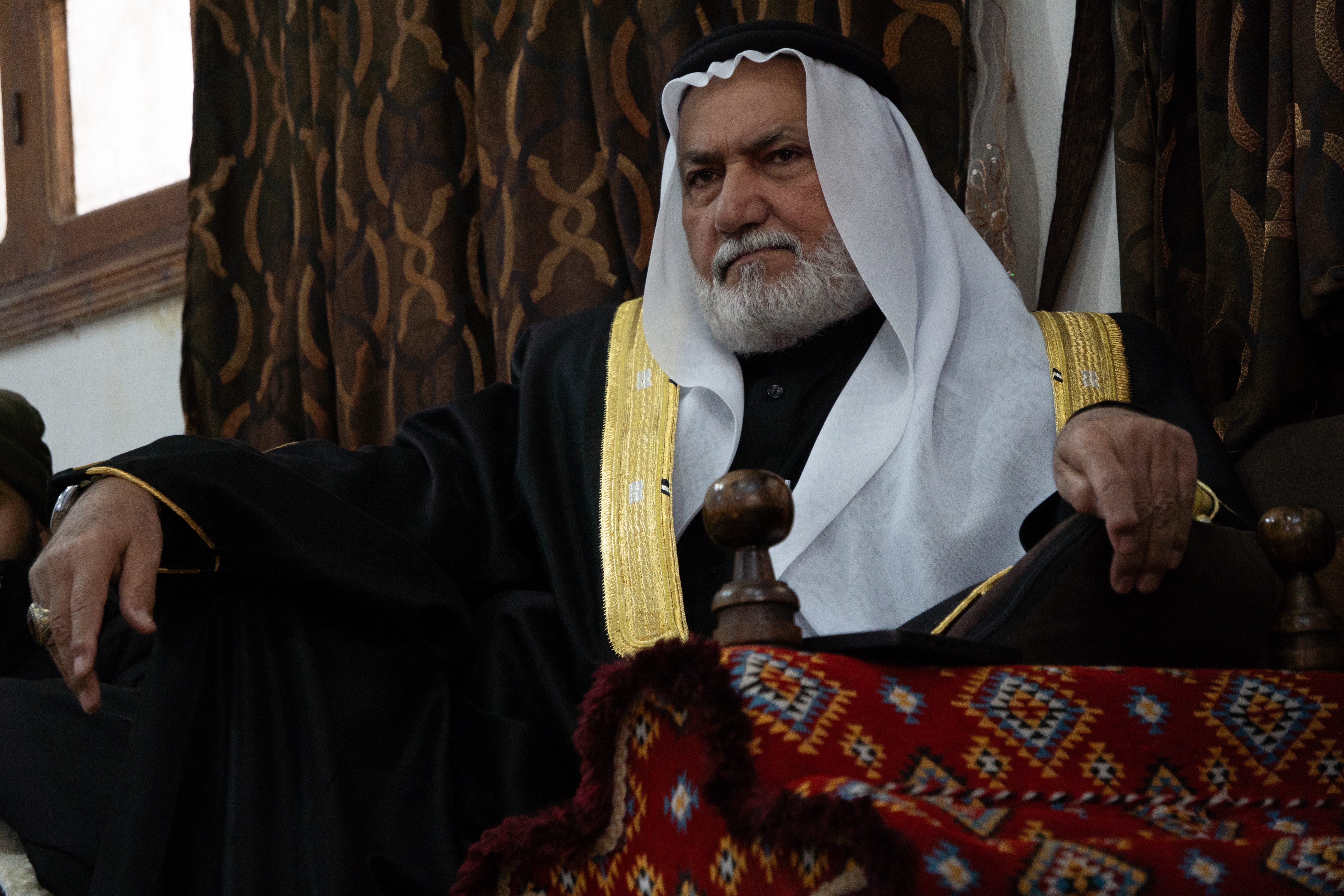
The true number is likely much lower. Sheikh Hashem Al-Bashir, the head of the Begara tribe, one of the largest tribes in Deir Ez- Zour, denied that members of his tribe were moving north to continue the fight against the SDF despite the ceasefire agreement. “We have confirmed seven killings of our members,” he told Drop Site. “If such violations continue we will be forced to respond.”
A local journalist in Hasake, who spoke to Drop Site on condition of anonymity for security reasons, said that they had verified only six killings but that the SDF were launching nightly raids in the Arab parts of the city looking for “suspects.”
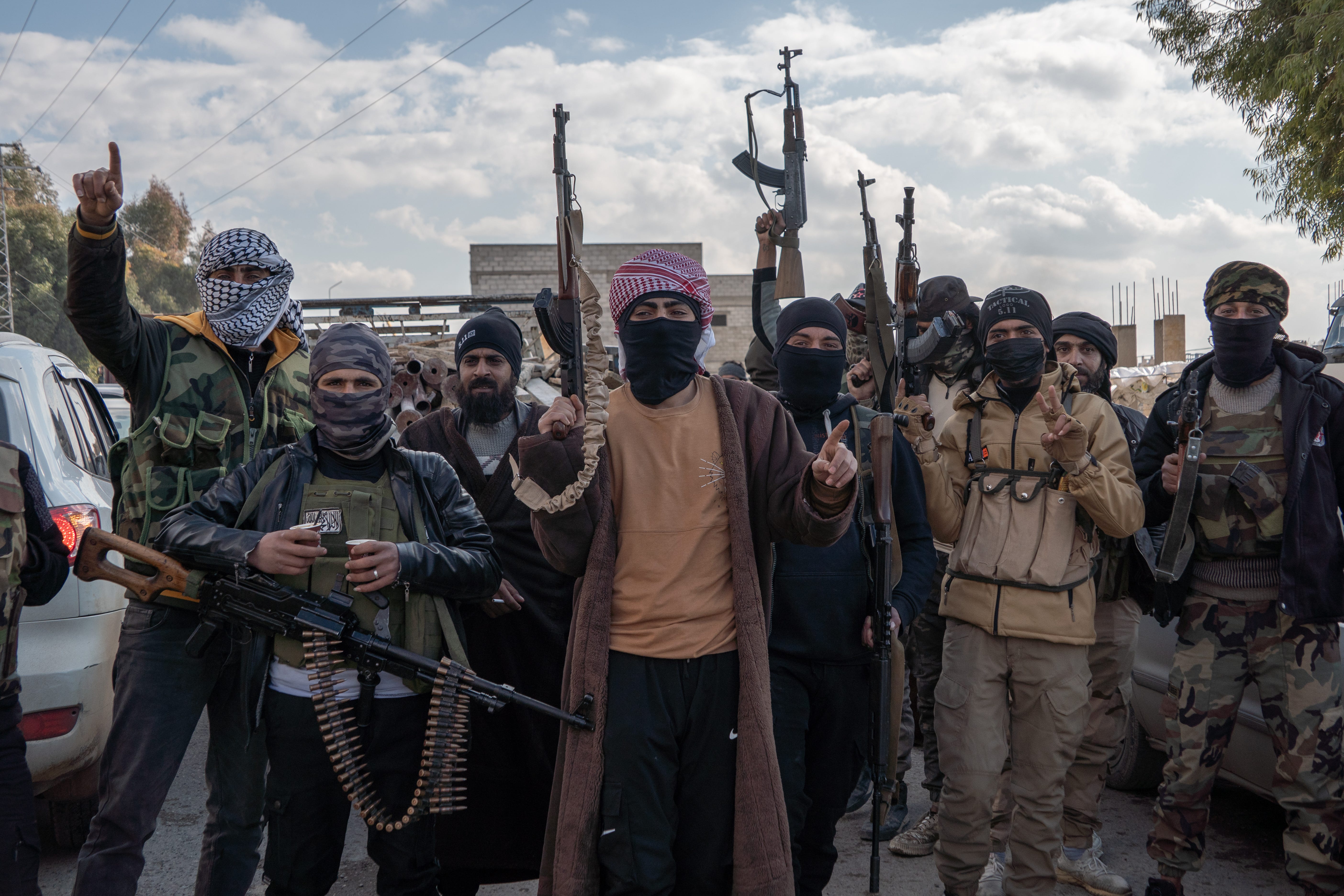
The sheikh also denied that their revolt was coordinated with the government. “Our state is one state, we are fundamentally Syrian. We waited for the negotiations for over a year without progress,” he said, referring to failed talks between the Syrian government and SDF. There was no coordination, this was a popular revolt in support of our Syrian state.”
According to Alexander McKeever, researcher and author of the newsletter “This Week in Northern Syria,” the tentative ceasefire deal that went into effect on Monday may have collapsed because there were no provisions for its short term implementation. “[The agreement] did not specify where the government forces were meant to halt and therefore pro-government tribal forces continued to advance, which the SDF responded to.”
The situation was exacerbated by the SDF’s continued presence in parts of territory containing Arab populations, “which likely explains why some government-aligned forces continued fighting,” McKeever added.
Standoff in Raqqa
In the neighboring Raqqa province on Monday night, Syrian army artillery pieces splayed out along a major highway connecting Raqqa to Deir Ez-Zour launched shells towards Al-Aqtan prison, where a large group of hardened SDF fighters were holding out. The bridges across the Euphrates that connect Raqqa city to the rest of the country had been destroyed as the SDF beat a hasty retreat a day earlier. Drop Site witnessed long convoys of heavy war material heading into the city across a nearby bridge.
In Raqqa, celebratory gunfire and the sounds of fighting echoed throughout city streets as the Syrian military sought to root out small groups of SDF fighters who had retreated to long-prepared tunnels under the city.
By Tuesday morning, a degree of calm had returned to the city as negotiations to secure an evacuation deal for the SDF fighters positioned at Al-Aqtan prison were underway. Around the prison’s perimeter, though, the Syrian military was moving mortars and heavy rocket launchers into position. Groups of armed men were praying together. Around midday, negotiations collapsed and clashes began shortly afterwards.
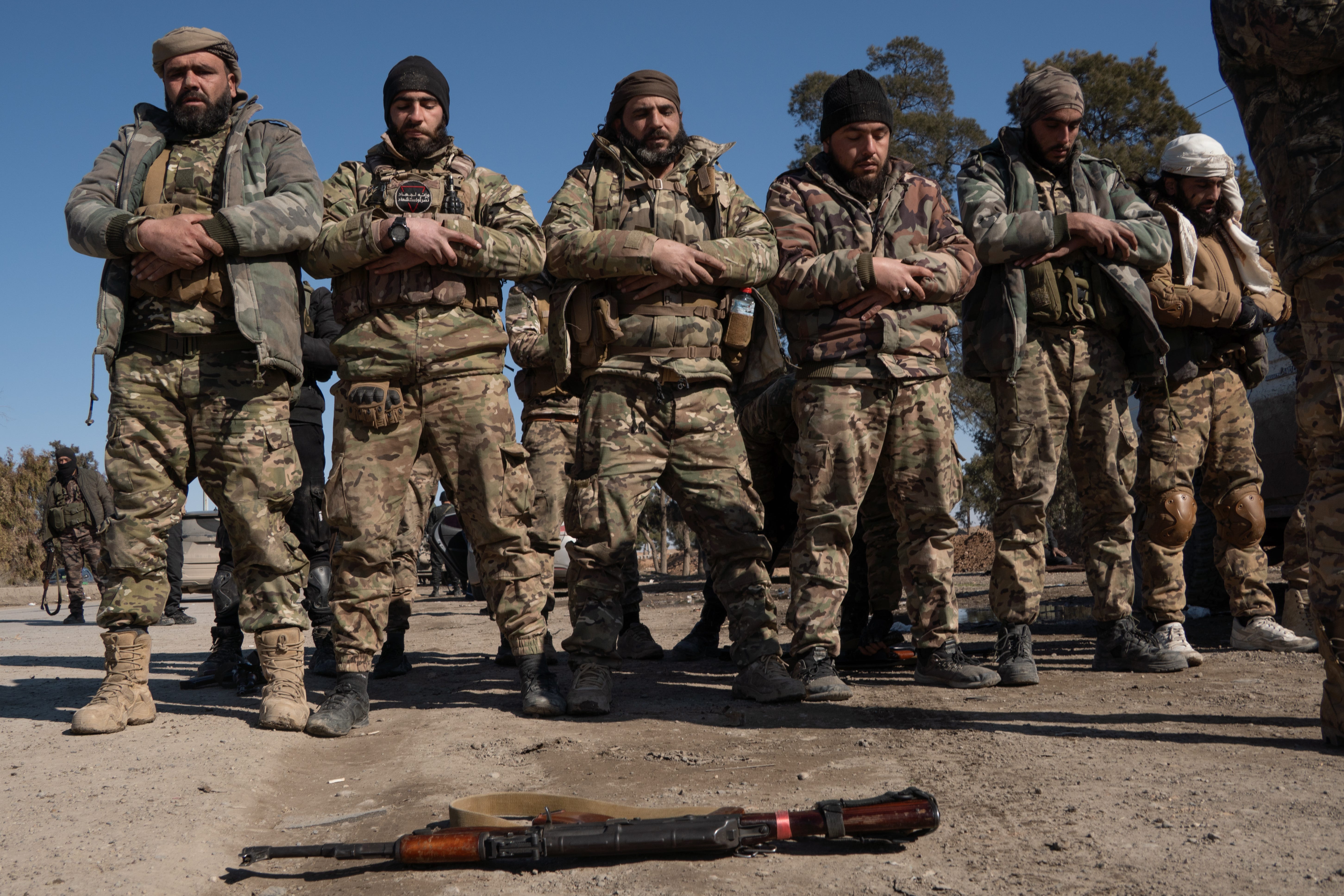
Just beyond the military perimeter, large crowds of families of prisoners gathered expectantly, demanding the government move in to secure the release of their loved ones. The SDF has asserted that the prisoners inside are members of the Islamic State. The families on the ground reject this, instead asserting that many of those locked inside are innocent victims of a pattern of systematic discrimination against Arabs by the Kurds.
Awwad Al-Jaraad was waiting for his father for three days. “He has been imprisoned inside for 8 years. They accuse him of being an ISIS member but he is not with ISIS. He just works in construction,” he said.
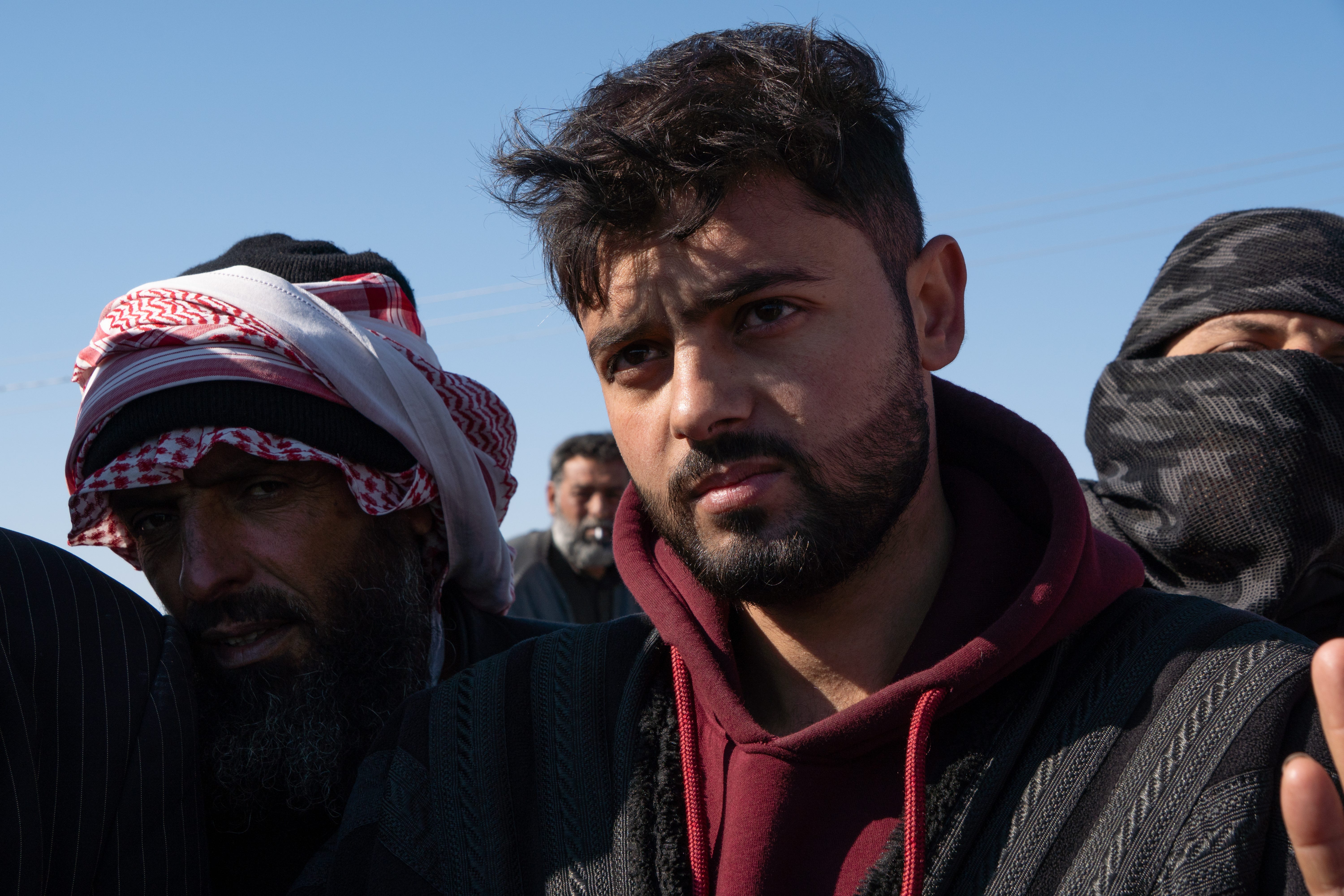
“For them we are terrorists, we are ISIS, but this is not true at all.”
A second general ceasefire deal, which was announced later on Tuesday, has largely held, although small skirmishes have continued on some fronts. A large government security presence was visible across the region on Wednesday, perhaps suggesting the Syrian military had brought the tribal elements under their banner to heel.
As per Tuesday’s ceasefire deal, the SDF has been given four days to conduct internal consultations and develop a practical mechanism for integration.
“For many Kurds, this [threat] now appears existential, the [Syrian] army that they have witnessed kill over a thousand civilians on the coast and in Sweida last year are now approaching, seeking to punish them for their attempt at self-governance,” McKeever said.
“Additionally there have been abuses committed [by government forces in recent fighting], which will only radicalize the Kurdish population further.”
As of Wednesday, the SDF was still holding out in the prison and a new round of negotiations is underway to secure their evacuation.
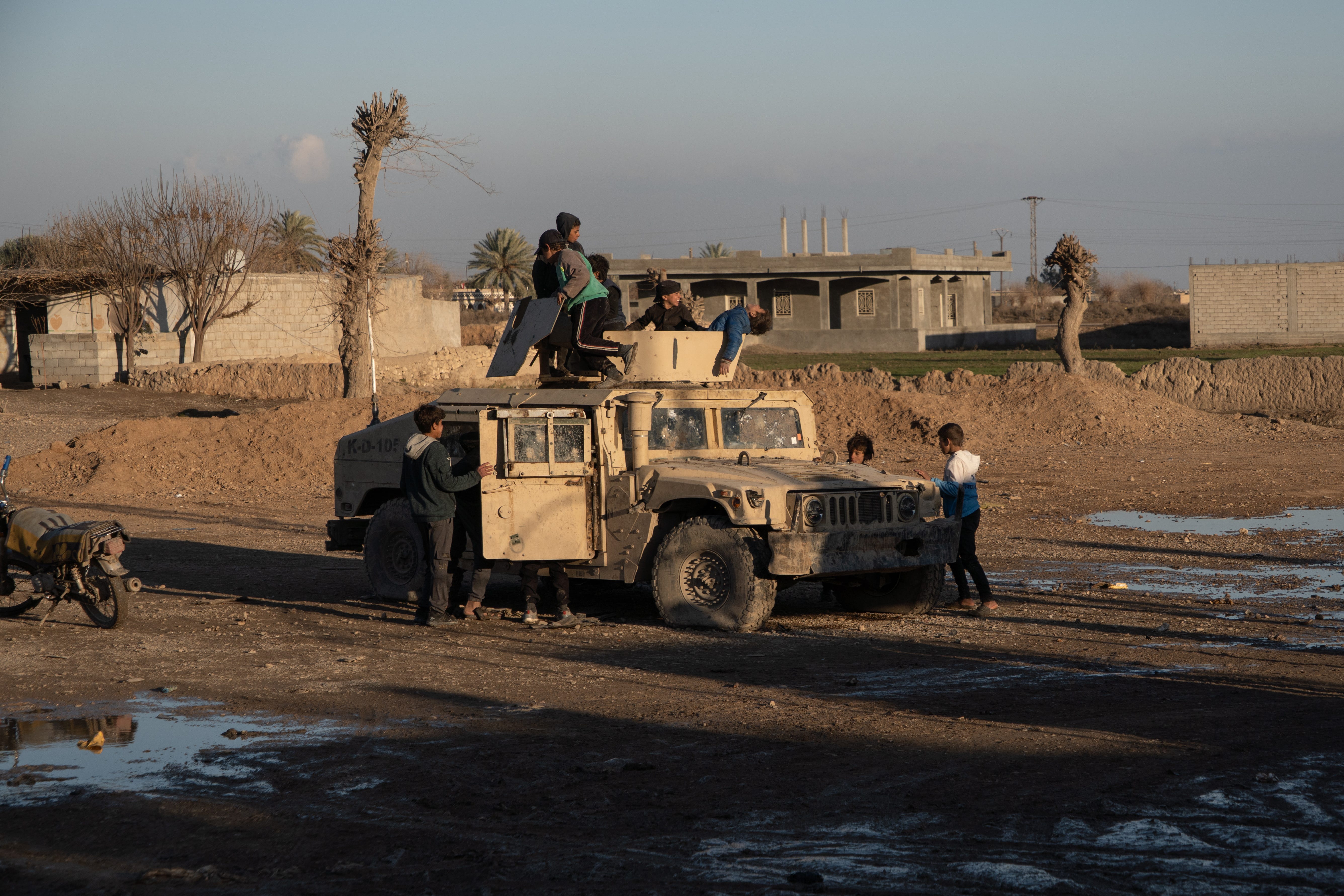
On Sunday, as Kurdish forces were in retreat, the SDF issued a general mobilization in light of what it referred to in its statement as an “existential war,” calling on “all segments of our people to arm themselves and prepare to confront any potential attack.”
The question now is whether the SDF will agree to lay down their weapons, leaving them defenseless against armed fighters who may commit massacres against their people, or continuing an armed conflict whose prospects for victory look increasingly bleak.”
In Hasake city itself, which is still controlled by the SDF, a local resident characterized the situation as “very difficult.” They described hearing “loud noises at night that could be artillery or explosions.”
The resident, who spoke to Drop Site on condition of anonymity for security reasons, added: “People go out in the morning to get bread and basic necessities, but no one goes out after dark. Everyone is terrified.”
 | A guest post by
|
The clearest insight I've read in this labyrinthine situation. Thank you.
This reporting makes clear how quickly “unity” built on coercion can slide into another cycle of repression. Arab grievances against the SDF are real and long-standing, but folding tribal militias into state power without safeguards for civilians—especially Kurds now facing an existential threat—looks less like reconciliation than forced submission. If integration means disarmament without protection or accountability for abuses on all sides, it risks trading one form of marginalization for another, with civilians once again paying the price.